
Why Families Often Pull Back on Senior Care Just When It Matters Most
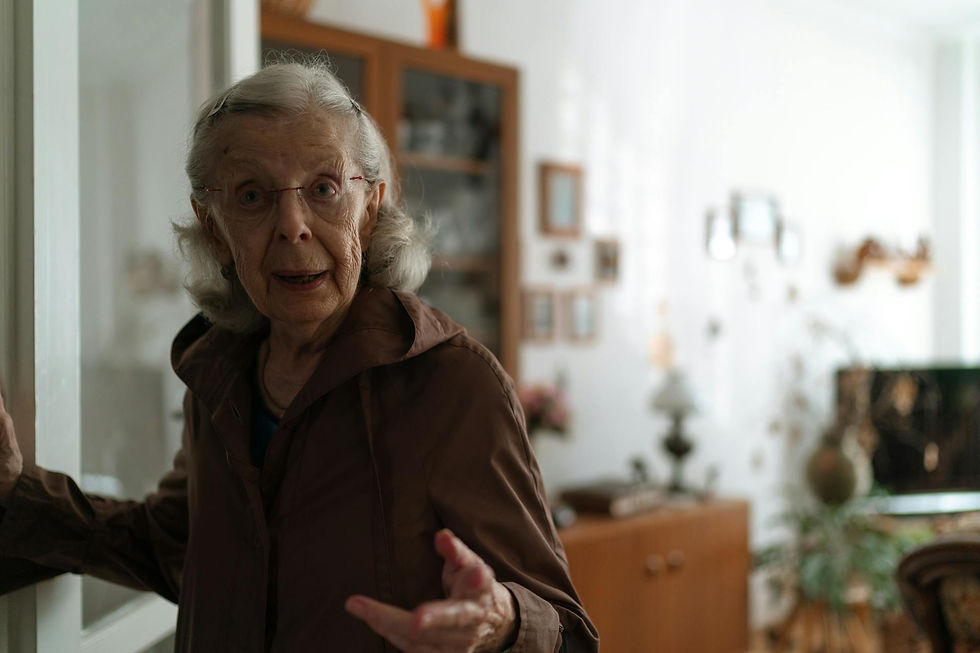
When a senior loved one seems to be doing better, families tend to do less. Calls space out. Visits become less frequent. The care routines that held through harder months get quietly scaled back. This is not neglect. It is a natural response to visible improvement.
It is also one of the most common ways small problems become serious ones.
Feeling Better Is Not the Same as Being Stable
Warmer weather genuinely improves mood and encourages physical activity in older adults. When a senior seems more energetic and engaged, it is easy to read that as stability. But feeling better and being medically stable are not the same thing.
Chronic conditions do not ease with the season. Medications still require daily consistency. And the social engagement that comes with nicer weather, while valuable, can also mask fatigue, pain, or cognitive changes that deserve attention.
Isolation Is Harder to See in Warmer Months
Winter isolation has a clear shape. Someone stuck inside, limited by weather, with fewer visitors and fewer reasons to leave. Families recognize it and respond.
Isolation in warmer months looks different. A senior may be outside more, seem engaged, and report feeling fine. But if meaningful social contact is still limited, if phone calls are brief and conversations stay shallow, the underlying loneliness does not lift because the sun is out. It just becomes harder to see.
More Activity Means More Exposure to Risk
More movement is generally good for seniors. It supports strength, cardiovascular health, and mental well-being. But increased activity also means more opportunities for falls, overexertion, and injuries that would not have occurred during a quieter stretch indoors.
Seniors who have been less active over winter often attempt familiar tasks, yard work, errands, longer walks, without accounting for changes in their strength or balance since the fall. A caregiver who is present and paying close attention can catch those moments before they become injuries.
Medication Vigilance Slips When Things Seem Fine
Families track medications carefully when a senior is visibly struggling. When things seem fine, that vigilance tends to ease. Missed doses, confusion over refills, or prescription changes that do not get communicated clearly are problems that surface regardless of the season.
For seniors managing multiple medications, including those affecting blood pressure, blood sugar, or balance, consistency is not optional. A caregiver who provides daily reminders and flags anything unusual plays a direct role in keeping chronic conditions from quietly worsening.
The Post-Discharge Window Requires Extra Attention
Warmer months are a common time for seniors to return home after a hospital stay, rehabilitation, or a skilled nursing facility. The timing feels hopeful. But the period immediately following discharge is one of the highest-risk stretches for older adults, and research consistently shows that readmission risk peaks in the first weeks after leaving a facility.
Consistent support at home during this window, someone monitoring changes, assisting with mobility, and making sure follow-up appointments happen, makes a meaningful difference in outcomes.
Consistent Care Through Every Season
At Passion for Seniors of NY, we work with families across New York City and Nassau County to provide steady, attentive support that does not take a seasonal pause. Our caregivers do not treat warmer months as a lighter schedule. The needs shift. They do not shrink.
Services that remain essential year-round include:
Medication reminders and monitoring for missed doses or side effects
Assistance with personal care, mobility, and daily routines
Companionship and meaningful social engagement
Meal preparation and nutrition support
Help with follow-up appointments and communication with healthcare providers
Stability is not built by responding to crises. It is built by preventing them.
If you have been considering pulling back on care as the season improves, call us first at (718) 850-3400 or contact us online. Passion for Seniors of NY serves families across New York City and Nassau County throughout the year.


Comments